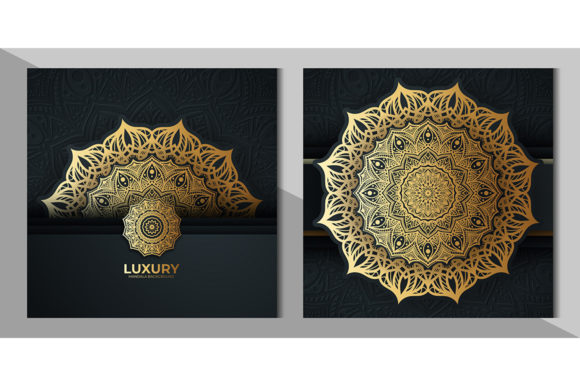
Set of Vector Design Templates: Practical Assets for Modern Projects
When you're building a brand, launching a campaign, or simply trying to make your social media feed look cohesive, starting from scratch every single time is exhausting. You need a foundation. This is exactly where a well-curated Set of Vector Design Templates changes the game. It isn't just a collection of pretty pictures; it's a toolkit for speed and consistency. Whether you are a small business owner trying to create your own packaging design or a marketer needing quick social media graphics, having access to scalable, editable assets saves you hours of frustration. We are talking about high-quality design assets that bridge the gap between a professional agency look and a DIY budget.
Understanding the Power of Vector Files
Before diving into specific applications, it is vital to understand the file formats you are working with. This specific set of vector design templates comes equipped with two distinct file types: EPS and JPG. This combination covers nearly every scenario you might encounter in modern design workflows.
The EPS File (Encapsulated PostScript) is the workhorse for professional designers. It is a vector format, meaning the artwork is based on mathematical equations rather than pixels. You can scale an EPS file to the size of a billboard or shrink it down to a business card, and the lines will remain perfectly crisp. If you are working in Adobe Illustrator, Affinity Designer, or CorelDRAW, the EPS file is what you will open. It allows you to manipulate anchor points, change colors to match your specific brand identity, and mix and match elements within the templates.
The JPG File is your ready-to-use option. These are raster images, perfect for quick drag-and-drop functionality. If you are a blogger needing a header image, a content creator looking for an Instagram background, or someone who doesn't own professional vector editing software, the JPG files are invaluable. They are optimized for digital use, ensuring fast load times on web design projects while maintaining visual integrity.
The Visual Appeal: More Than Just Shapes
The personality of this set lies in its versatility and modern aesthetic. We aren't looking at outdated clipart here. These templates usually feature clean lines, balanced compositions, and trendy elements that fit current visual trends. Depending on the specific pack, you might find geometric precision suitable for a fintech startup or organic, flowing lines perfect for a wellness brand.
The style is inherently adaptable. Because they are templates, they act as a neutral yet stylish canvas. They provide the structure of a professional layout without imposing a rigid style that clashes with your existing brand identity. Think of them as the "bones" of your design. The visual hierarchy is already established for you—the focal points are clear, and the negative space is balanced. This is crucial for entrepreneurs who understand their product but may not have a background in visual composition. By using these design assets, you are essentially borrowing the expertise of the template creator to ensure your message lands effectively.
Strategic Applications Across Industries
Where does a set of vector design templates fit best? The short answer is: almost everywhere. However, the real value emerges when you apply them strategically to solve specific business problems.
Branding and Logo Design
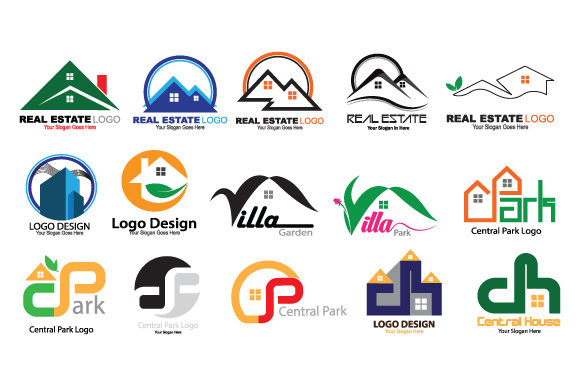
While a logo should ideally be unique, templates are excellent starting points for brand exploration. You can extract elements from the vector set—like a specific icon or a decorative border—to build out a visual language. For small businesses, using consistent vector elements across invoices, letterheads, and social media banners creates a cohesive look that builds trust. It signals professionalism.
Digital Marketing and Social Media
Content creators and marketers live and die by consistency. If you are running a campaign, you need your Facebook ads, Pinterest pins, and Instagram stories to look related but not identical. A set of vector templates allows you to create variations quickly. You might use the JPG versions for quick stories and the EPS versions to create custom infographics for your blog. This maintains visual hierarchy across different platforms, ensuring your audience recognizes your content instantly as they scroll.
Packaging and Editorial Design
For crafters and publishers, these templates offer immense value. Imagine you are designing a label for a homemade candle or a jam jar. You don't need to hire an illustrator to draw a decorative frame; you can pull one from your vector set, resize it, and recolor it to match your label stock. In editorial design, these assets work as spot illustrations or section dividers, adding a professional polish to PDFs, eBooks, and print magazines.
Influence on Readability and Audience Engagement
Good design is invisible; bad design is a barrier. When you use a structured set of templates, you automatically improve the readability of your content. These templates are usually designed with proper margins, balanced weight, and logical flow. By placing your text and images into these pre-designed structures, you avoid the common mistake of cluttering your visuals.
This directly impacts audience engagement. A clean, professional layout subconsciously tells your viewer that you are credible. If your marketing materials look chaotic or amateurish, people assume your service or product is the same. Conversely, utilizing high-quality design assets elevates your brand perception. It creates a sense of stability and authority. Whether you are a consultant sending a proposal or a crafter selling on Etsy, the presentation of your visual assets influences how much value the customer assigns to your offering.
Practical Guidance for Selection and Use
Choosing the right set requires a bit of introspection regarding your project's needs. Here is how to get the most out of these assets:
- Evaluate the Style Fit: Look at the personality of the templates. Do they feel corporate and sterile, or whimsical and handmade? Ensure the visual tone matches your brand voice. A mismatch here can confuse your audience.
- Check for Editability: When you open the EPS file, are the layers organized? Good vector templates are grouped logically (e.g., background, foreground, text areas). If the file is a mess of ungrouped shapes, it will be frustrating to edit.
- Test Font Pairings: Templates often come with placeholder text. This is your chance to experiment. If the template features a heavy display font, try pairing it with a clean sans serif font for the body text. If the template has a modern, geometric vibe, a modern typography choice will work better than a traditional serif font.
- Consider Commercial Licensing: This is non-negotiable. Before using these assets for a client project or your own merchandise, verify the license. Most premium font and template marketplaces offer licenses for both personal and commercial use, but "commercial" can have different limits (e.g., number of prints or views). Always read the fine print to avoid legal headaches down the road.
Final Thoughts on Workflow Efficiency
Ultimately, integrating a Set of Vector Design Templates into your workflow is about working smarter. It allows you to maintain a high standard of visual quality without spending hours drawing bezier curves. Whether you are using the EPS file to customize a complex illustration or the JPG file for a quick blog post, these assets provide the flexibility and quality needed in today’s fast-paced creative environment. They empower you to focus on your message and your business, knowing that the visual foundation is solid and professional.