Elevate Your Book Listings: Grey A+ Content Author Canva Templates
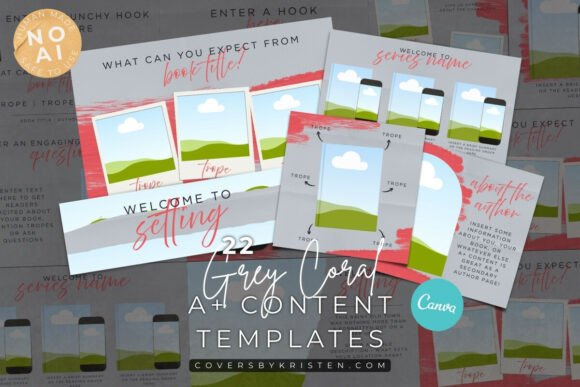
For indie authors, the digital bookshelf is a crowded marketplace. Your cover grabs attention, but it's the content below the fold—the A+ Content on platforms like Amazon—that often seals the deal. This is where you move beyond a simple blurb and build an immersive world. The Grey A+ Content Author Canva Templates provide a sophisticated, professional framework for this exact purpose. This pack of 22 fully editable templates is designed to transform your book's product page from a basic listing into a polished, engaging marketing experience that reflects the quality of your storytelling.
Understanding the Grey Aesthetic: More Than Just a Color
The "Grey" in these templates refers to a specific design philosophy: clean, modern, and versatile. The visual style leans into minimalist elegance, using ample white space, structured grids, and a refined color palette that defaults to sophisticated greys but is easily customizable. This isn't a loud, flashy design; it's a premium font style approach that prioritizes clarity and professionalism. The layouts feel contemporary and trustworthy, avoiding trendy gimmicks that might date quickly. This aesthetic acts as a perfect neutral canvas, allowing your book cover, character art, and key text to command the viewer's attention without visual competition.
This design personality is inherently adaptable. Whether your book is a gritty thriller, a lush fantasy, a heartfelt romance, or a sharp contemporary fiction piece, the templates' clean lines and structured panels can be molded to fit. The style communicates a level of seriousness and investment in your author brand, which subconsciously signals to potential readers that they're considering a professionally produced work. It’s a form of visual storytelling that begins before they even read the first page of your sample.
Practical Applications for Indie Authors and Beyond
The true value of the Grey A+ Content Author Canva Templates lies in their practical application across your marketing ecosystem. Their primary use is, of course, for creating compelling A+ Content modules on retailer sites. You can seamlessly build sections that feature:
- Character Introductions: Create panels with character portraits, names, and brief, intriguing bios that help readers connect with your cast.
- Trope Highlights: Design elegant boxes that clearly list the popular tropes your book delivers (e.g., "Enemies to Lovers," "Found Family," "Unreliable Narrator"), helping the right readers find you.
- Story Summaries and Hooks: Use the layouts to break down your plot into digestible, visually appealing blocks that replace dense paragraphs of text.
- Quote and Review Sections: Showcase powerful excerpts from your book or glowing reviews in a format that adds social proof and emotional punch.
- Series Branding: Maintain a consistent brand identity across multiple books by using the same template styles, creating a recognizable visual language for your series.
Beyond the book page, these design assets are incredibly versatile. The same clean layouts can be repurposed for social media graphics on Instagram or Facebook to promote a launch. They can inform the design of a promotional newsletter or even elements on your author website. For authors who also create related products—like bookmarks, character art prints, or branded merchandise—the consistent visual style ensures your packaging design and promotional materials feel unified and professional.
Strategic Design for Reader Engagement
Effective book marketing isn't just about looking good; it's about guiding the reader's journey. The structure within these templates is built on principles of visual hierarchy. A large, bold panel for your hook draws the eye first, followed by character introductions that build empathy, and finally, trope highlights that confirm expectations. This deliberate flow is a form of modern editorial design applied to a commercial context. It controls the pacing of information, much like a well-structured chapter.
This thoughtful approach directly influences readability and audience engagement. Large blocks of text are broken into scannable sections with clear headings and supporting imagery. Readers can quickly find the information they're looking for—be it the setting, the central conflict, or the romantic leads—reducing bounce rates and increasing the time spent on your page. The professionalism conveyed by the Grey A+ Content Author Canva Templates builds trust. A reader is more likely to believe in the quality of your writing if the presentation around it is polished and intentional.
Getting the Most from Your Template Pack
To leverage these templates effectively, start by defining your book's core selling points. What is the one emotion or concept you want to highlight? Choose the templates that best serve that message. The pack includes various layouts, so you might select a cover showcase panel for maximum visual impact and a trope highlight layout for clear genre signaling.
Customization is straightforward in Canva. Begin by uploading your book cover and any character artwork. Then, systematically edit the placeholder text with your own compelling copy. Be concise—these are highlights, not summaries. Next, adjust the color palette to complement your book cover. The default grey is a fantastic starting point, but shifting the accent colors to match your cover's palette creates instant cohesion. Finally, choose your fonts carefully. While the templates come with suggested pairings, you can adjust them. Consider a clean sans serif font for body text for maximum readability on screens, paired with a serif font or a subtle script font for headings to add personality. Ensure any font you choose is legible at smaller sizes.
Remember, the goal is to create a seamless extension of your book's world. The Grey A+ Content Author Canva Templates are the tool, but your story's voice and visual identity are the guide. By using them to build a consistent, professional, and engaging product page, you're not just selling a book—you're inviting readers into an experience they won't want to scroll past.